Retirement brings freedom, space, and a slower pace. For many, it also brings a quieter home.
If you’re living alone after retiring, that quiet can feel peaceful one day and unsettling the next. And that’s perfectly normal. Wellbeing for retirees living alone isn’t about fixing something that’s “wrong,” it’s about creating balance, confidence, and connection in ways that suit you.
Let’s walk through what really helps, without forcing routines, personalities, or social lives that don’t feel natural.
Why Living Alone Can Quietly Affect Wellbeing
Living alone doesn’t automatically mean loneliness. But the transition into it can affect wellbeing more subtly than people expect.
Emotional shifts after retirement
Work often provides structure, conversation, and a sense of usefulness. When that disappears, even if retirement was long-awaited, there can be a quiet emotional wobble. Not dramatic. Just… different.
Independence vs isolation
There’s a fine line between enjoying your independence and slipping into isolation without realising it, especially when days pass without much variation or interaction.
Why this change often sneaks up
Because it’s gradual. One less chat. One skipped outing. One week blends into the next. Nothing alarming, until your mood feels flatter than it used to.
Noticing this early is a strength, not a weakness.
Daily Wellbeing Habits That Work When You’re on Your Own
You don’t need rigid routines or colour-coded planners. What helps most is a gentle structure.
Gentle structure without rigidity
Think anchors, not schedules. A few dependable moments in your day that give it shape without pressure.
Simple morning and evening anchors
This might be:
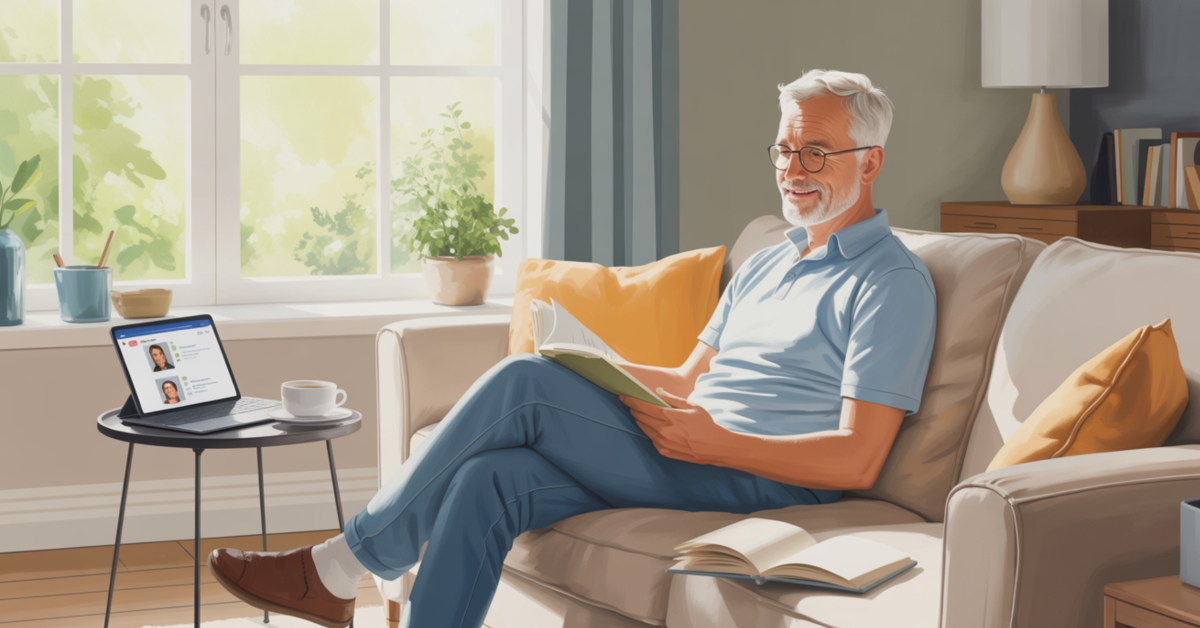
- A morning cuppa by the window
- A short walk after breakfast
- A crossword, a book chapter, or a radio programme in the evening
Small rituals tell your brain, “This day has a beginning and an end.”
Creating emotional rhythm at home
Opening curtains early, playing music while cooking, and lighting a lamp instead of sitting in silence. These little cues matter more than we realise.
They create warmth, even when no one else is there.
Social Wellbeing Without Feeling Forced
Not everyone wants coffee mornings, clubs, or packed calendars. Social wellbeing doesn’t have to mean “being busy.
Low-pressure connection ideas
Connection can be light and brief:
- A weekly phone call with someone you trust
- Commenting in an online group
- Saying hello to the same person on your daily walk
It all counts.
Online communities vs local groups
Online spaces can be surprisingly comforting, especially for retirees living alone. They allow you to dip in and out, listen before speaking, and connect without getting dressed up or travelling.
Local groups can be lovely too, but only if they feel welcoming, not draining.
Staying socially “warm” without exhaustion
You don’t need constant contact. You just need regular, gentle touchpoints. Enough to remind you that you’re part of something wider.

Mental & Emotional Confidence When No One’s Watching
When you live alone, your inner voice gets louder. Sometimes kinder. Sometimes not.
Self-talk after retirement
Without colleagues or daily feedback, it’s easy to question your usefulness or direction. Thoughts like “Am I doing enough?” or “Is this it?” can creep in quietly.
Rebuilding inner reassurance
Confidence now comes from self-trust. From knowing you can structure your day, look after yourself, and make choices that feel right, even if no one else sees them.
Avoiding the slow drift into a low mood
Mood often dips not because of considerable sadness, but because of monotony. Changing one small thing, a walk route, a project, a new interest, can lift more than you’d expect.
When Living Alone Becomes a Strength
There’s another side to this story. A powerful one.
Peace, autonomy, self-trust
Living alone gives you space to think clearly. To choose your pace. To listen to yourself without interruption.
That’s not loneliness. That’s autonomy.
Purpose-led routines
Purpose doesn’t have to mean productivity. It might be learning, helping, creating, or contributing in small ways that feel meaningful to you.
Choosing connection on your terms
The beauty of living alone is choice. You get to decide when to connect, how deeply, and with whom. That’s a quiet kind of confidence that grows over time.

Frequently Asked Questions About Wellbeing for Retirees Living Alone
Is it normal to feel lonely after retiring and living alone?
Yes. Very normal. Loneliness isn’t a failure; it’s a signal. It simply means your social needs have changed and need gentle adjustment.
How can retirees living alone improve their wellbeing?
By creating a light daily structure, maintaining low-pressure connections, and paying attention to mood shifts early rather than ignoring them.
What daily routine helps mental wellbeing in retirement?
One that’s flexible. Morning and evening anchors, regular movement, and one small thing each day that gives a sense of purpose or enjoyment.
Are online communities suitable for retirees living alone?
Absolutely. They offer connection without obligation and can be especially supportive for those who prefer quieter or more reflective interaction.
How do you stay emotionally healthy when you live alone?
By staying curious about yourself, noticing emotional changes without judgment, and allowing connection, even in small doses, to remain part of your life.
A final thought
Wellbeing for retirees living alone isn’t about filling every silence or fixing every quiet moment. It’s about learning how to live well in your own space, with balance, confidence, and just enough connection to feel grounded.
You’re not behind. You’re not missing something everyone else has figured out.
You’re simply learning a new rhythm, and that takes time.
A Gentle Invitation
If you’d like a little more connection alongside your learning, you’re very welcome to join Marketing with Martin, a friendly, supportive community for retirees exploring wellbeing, online opportunities, and purposeful living at their own pace.
It’s a relaxed space to ask questions, share small wins, and learn without pressure or judgement. No hype. No tech overwhelm. Just real people supporting each other through this chapter of life.
You’re never expected to be “ready,” just curious. Click here to join my free private Facebook group.


