

Retirement is often meant to be a time to slow down, yet many wellbeing messages still feel rushed, demanding, or physically intense.
If you’ve ever thought:
“I just want to feel well… not worn out”
This article is for you.
Gentle wellbeing routines are not about pushing your limits.
They’re about supporting your body, mind, and energy in ways that feel kind, realistic, and sustainable.
Why Intense Exercise Isn’t the Answer for Many Retirees
For years, movement was tied to:
- Schedules
- Targets
- Performance
- “No pain, no gain” thinking
In retirement, those approaches often backfire.
Many retirees experience:
- Reduced energy
- Stiffness or joint sensitivity
- Slower recovery
- A desire for calm, not adrenaline
Gentle routines work with your body, not against it.
What “Gentle Wellbeing” Really Means
Gentle wellbeing is not inactivity.
It means:
- Regular movement, without strain
- Mental clarity, without pressure
- Emotional steadiness, without forced positivity
- Consistency, without guilt
The goal is not fitness, it’s feeling comfortable in your day.
Simple Gentle Wellbeing Routines That Actually Work
- A Calm Morning Start
How you begin the day sets your mental tone.
Try:
- A short walk
- Light stretching
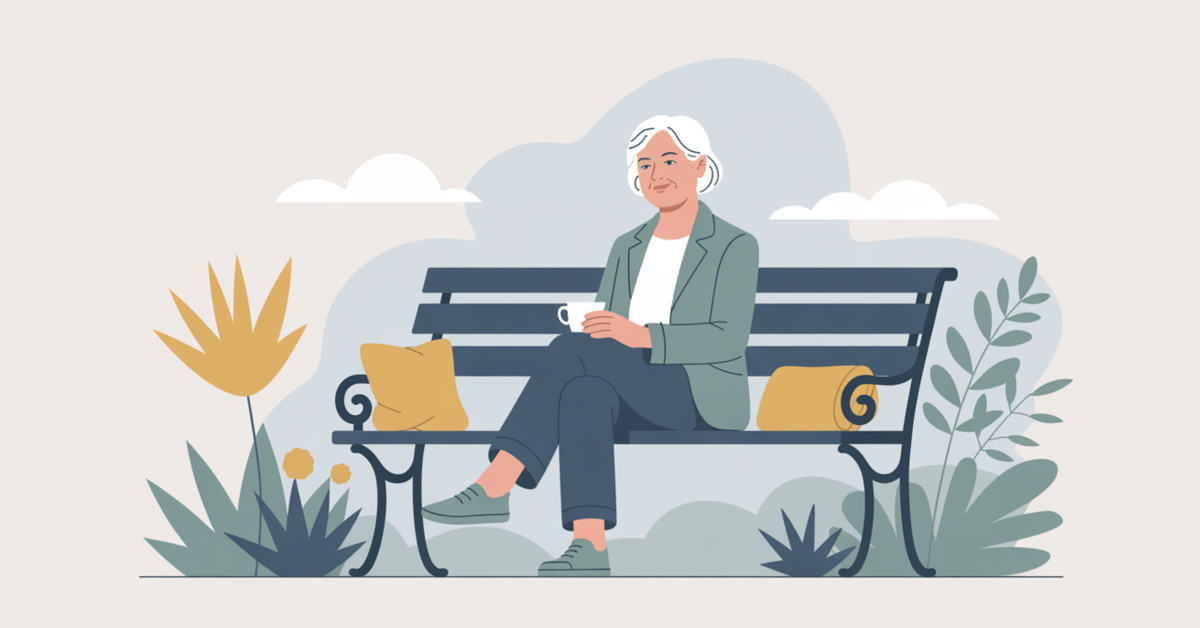
- A quiet cup of tea or coffee
- Sitting by a window for natural light
This helps the body wake gently and reassures the mind.
- Light Movement That Supports Daily Life
Movement doesn’t need to look like exercise.
Gentle options include:
- Walking
- Chair stretches
- Balance exercises
- Gardening
- Household movement done mindfully
These support mobility, balance, and confidence.
- One Midday Reset
Many retirees feel an energy dip in the afternoon.
A simple reset could be:
- Stepping outside
- Stretching for five minutes
- Sitting quietly without screens
This prevents fatigue from turning into stiffness or low mood.
- A Calm Evening Wind-Down
Gentle routines work best when the day ends calmly.
Helpful habits include:
- Dimming lights
- Avoiding stimulating news late in the evening
- Reading or listening to something soothing
Sleep quality often improves naturally.
Why Gentle Routines Improve Wellbeing Long-Term
Gentle routines:
- Reduce inflammation and tension
- Improve balance and coordination
- Support mental clarity
- Reduce anxiety around “doing enough”
- Encourage consistency
Most importantly, they’re easy to maintain.
When Gentle Wellbeing Is Especially Helpful
Gentle routines are ideal if you:
- Don’t enjoy gyms
- Have joint discomfort
- Feel easily fatigued
- Want wellbeing without pressure
- Are rebuilding confidence after retirement
They meet you where you are, not where someone else thinks you should be.
What You’ve Learned
- Intense exercise isn’t required for wellbeing
- Gentle routines support body and mind together
- Consistency matters more than effort
- Calm routines improve energy and confidence
- Wellbeing should feel supportive, not demanding
Frequently Asked Questions About Gentle Wellbeing Routines For Retirees
What are gentle wellbeing routines for retirees?
They are simple, low-impact habits that support physical, mental, and emotional wellbeing without strain.
Can gentle routines really improve health?
Yes. Consistent gentle movement supports mobility, balance, mood, and sleep.
How much movement do retirees need?
Small amounts done regularly are far more effective than occasional intense activity.
Are gentle routines better than exercise classes?
For many retirees, yes, especially if classes feel tiring or stressful.
Is it okay to rest as part of wellbeing?
Absolutely. Rest is a vital part of wellbeing, not a failure.
Looking Ahead 🌱
Gentle routines are just one part of retiree wellbeing.
This article is part of our Wellbeing for Retirees series, exploring:
- Mental wellbeing
- Emotional balance
- Living alone with confidence
- Purpose after retirement
- Digital wellbeing
Our complete Wellbeing guide will be published once all support articles are live.
And if you’d like calm encouragement and shared experiences from others on a similar journey, you’re always welcome inside Marketing with Martin


Trackbacks/Pingbacks