
Picture this: you’re sitting in your favourite chair, cuppa in hand, sun drifting through the window, and someone across the country (or even across the world) is learning from you. Not from a noisy classroom, or a corporate office, but through a simple video call, asking for advice you’ve gained over a lifetime.
That’s the beauty of starting an online coaching business in retirement.
It’s flexible. It’s personal. And honestly? It’s far less technical than people imagine.
And the best part? Retirees already have the perfect ingredients: experience, patience, real-world stories… and the desire to help others. That’s why “Consulting or Coaching Online” is one of the top online income ideas for retirees.
Let’s walk through this together: simply, calmly, and step by step.
Why Online Coaching Works So Well for Retirees
If you’ve ever led a team, raised a family, managed projects, or even supported a friend through a tough time… you’ve coached.
Coaching isn’t about being a “guru.”
It’s about guiding someone from where they are to where they want to be.
And retirees are perfectly placed because:
- Your life experience is gold dust; younger people pay to learn what you already know.
- You don’t need tech wizardry: simple tools (Zoom, email, WhatsApp) are more than enough.
- You choose your hours: whether you want one client a month or ten.
- You don’t need to create products or handle customer service: just turn up and talk.
Honestly? Starting an online coaching business is far easier than starting a blog, Etsy shop, or YouTube channel, great options in their own right, but coaching keeps things beautifully simple.
Step 1: Pick Your Coaching Topic (It’s Easier Than You Think)
Think of the things people naturally come to you for.
- Workplace expertise: leadership, HR, customer service, sales, teaching, finance, health & safety.
- Life experience: wellbeing, confidence, organisation, communication, resilience.
- Hobbies & passions: gardening, crafting, fitness for over-60s, cooking, and home organisation.
- Support & accountability: weight loss, life transitions, downsizing, stress, and budgeting.
If you’re unsure, try this:
What advice have I given repeatedly throughout my life without even realising it?
That’s your coaching niche starting to glow.
Step 2: Choose a Coaching Style That Suits You
There’s no one-size-fits-all approach. Pick what feels comfortable:
✔ 1-to-1 Coaching
The simplest and most personal option. You chat, listen, guide, and help someone take their next steps.
✔ Group Coaching
A handful of people in a small Zoom group is brilliant for topics like decluttering, life planning, or hobby-based sessions.
✔ Email Coaching
Yes, this is a real thing, perfect for retirees who prefer writing over video. Clients email weekly, and you respond with tailored guidance.
✔ Session Packages
4-week, 6-week, or 12-week programmes with clear milestones.
You don’t need a certificate to start (unless you want to specialise in a field like therapy). What people pay for is your experience and support.
Step 3: Keep Tech Simple — Really Simple
This is where most retirees hesitate, imagining dashboards and complicated websites.
But you can start an online coaching business with three free tools:
Zoom
For video calls, one click, and you’re in.
For sending notes, booking sessions, or offering email-based coaching.
A Calendar Tool (Optional)
Like Calendly or Google Calendar, for scheduling sessions.
That’s it.
No fancy funnels, no software nightmares, no overwhelm.
(And if you ever want something more polished later, we’ll build it one calm step at a time.)
Step 4: Create a Simple Coaching Offer
People don’t buy “coaching.”
They buy a result.
Examples:
- “Feel more confident and organised in 6 weeks.”
- “Grow your garden with easy, over-60-friendly methods.”
- “Learn basic online skills without frustration or jargon.”
- “Plan your retirement lifestyle with clarity and confidence.”
A good offer includes:
- Who it’s for
- What transformation will they get
- How long does coaching last
- What’s included (calls, emails, worksheets, etc.)
- The price
Your starting price can be small, £25–£40 per session, just to build momentum.
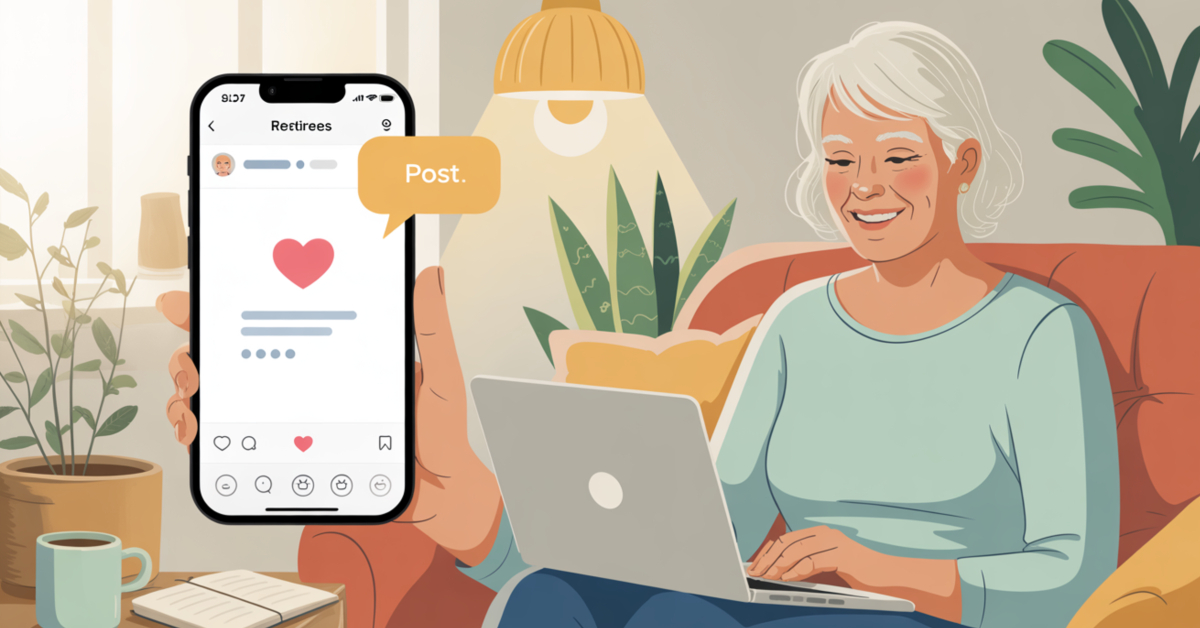
Step 5: Share What You’re Doing (Gently, Without Feeling ‘Salesy’)
This part can feel strange for many retirees, but selling coaching is just about sharing that you’re available to help.
Here’s where to start:
- Post in your personal Facebook profile:
“I’m starting a small online coaching business helping people with X. If you or someone you know would find it helpful, I’m offering two low-cost trial sessions this month.” - Mention it in relevant Facebook Groups (without spamming)
- Tell family and friends
- Start a simple coaching page on your Retiree Essentials blog (we can create this later)
Your first clients will almost always come from people already connected to you.
Step 6: Run Your First Session Like a Friendly Conversation
Don’t overthink it.
A good coaching session is:
- 70% listening
- 20% guiding
- 10% planning next steps
You don’t need scripts or complicated frameworks — just structure:
- Ask what they want to achieve
- Talk through challenges
- Guide them toward 1–3 simple next steps
- Agree on what you’ll work on next week
People don’t need perfection; they need support, encouragement, and clarity.
All of which retirees have in abundance.
Step 7: Build Slowly and Enjoy the Process
A successful online coaching business rarely starts with fireworks, more like glowing embers that grow steadily.
Clients come from:
- word of mouth
- recommendations
- your blog
- Facebook groups
- Pinterest (yes, really!)
- email newsletters
- local communities
Some retirees earn £100/month.
Some earn £500–£1000+.
The beauty is — you decide what “success” looks like
Common Tech Fears… and Why You Don’t Need Them
You’re not alone if you’ve thought:
- “What if I mess up a call?”
- “What if the tech goes wrong?”
- “What if I’m not ‘expert’ enough?”
Here’s the truth:
Every coach has had a wonky Zoom call.
Every coach has forgotten to unmute themselves.
Every coach has learned on the job.
Clients don’t expect you to be perfect; they expect you to care. And that’s something retirees do better than anyone.
Why This Matters in Retirement
Starting an online coaching business isn’t just about earning extra money (although it’s lovely to have “holiday money” or treat money).
It’s about:
- staying mentally active
- feeling useful and valued
- connecting with others
- sharing your knowledge
- building confidence with gentle technology
- having fun with a new purpose
Retirement isn’t the end of your working life; it’s the beginning of your working style.

FAQ: Starting an Online Coaching Business as a Retiree
1. Do I need a qualification to start an online coaching business?
Not at all. Most types of coaching don’t require formal certification. What people value most is your experience, your listening ear, and your ability to guide them forward. Suppose you’re specialising in something clinical (like therapy or medical advice). In that case, that’s different, but for lifestyle, confidence, hobby, wellbeing, or skills-based coaching, your real-life experience is more than enough.
2. I’m not great with technology—can I still do this?
Absolutely. Many retirees imagine complicated dashboards and software, but you only need three basics: Zoom, email, and a calendar. That’s it. You can add tools later if you want, but they’re not required to launch your online coaching business.
3. What can I actually coach people on?
Pretty much anything you’ve spent years doing or caring about. Popular areas include:
- work/life skills (leadership, communication, organisation)
- life coaching and confidence
- wellbeing or gentle fitness
- hobbies like gardening, crafting, travel planning or cooking
- retirement lifestyle planning or downsizing
If someone has ever said, “You’re really good at explaining this…” — that’s a coaching topic.
4. How much can I charge as a beginner?
Start small and build gradually. Many retirees begin at £25–£40 per session until they gain confidence. When you have a few clients and testimonials, you can raise your rates to £50–£90+, depending on the transformation you offer. Group coaching can increase your income without increasing your hours.
5. Where do I find my first clients?
Your first few clients usually come from the people who already know and trust you.
Try:
- a simple Facebook post sharing what you’re offering
- joining groups related to your topic
- offering a few low-cost or free “test sessions”
- letting family and friends know you’re starting
People love working with a warm, supportive coach, especially one with life experience.
6. Do I need a website to start an online coaching business?
Not at the beginning. You can start with:
- your Facebook profile
- your Retiree Essentials landing page (we can create one later)
- a simple booking link (like Calendly)
Once you feel ready, we can build a clean, easy WordPress page together.
7. How long should a coaching session be?
Most sessions run 45-60 minutes, but it’s entirely up to you. Some retirees love offering “bite-sized” 30-minute sessions. Others run 90-minute deep dives. Pick the style that suits your energy and pace.
8. What if a session goes wrong or I don’t know what to say?
It happens to every coach, even the experienced ones. The key is listening more than speaking. Ask simple questions like:
- “What would you like to focus on today?”
- “What feels like the biggest challenge right now?”
- “What small win would you love by next week?”
Your job isn’t to have all the answers; it’s to help people find their own.
How many hours a week do I need to run an online coaching business?
You can start with 1 hour a week if you want. Some retirees coach occasionally for fun; others turn it into a steady weekly income. It’s flexible, gentle, and always shaped around your lifestyle, not the other way around.
10. Is coaching really a good source of income for retirees?
Absolutely, it’s one of the top recommended online income ideas for retirees because it uses your lifetime of experience and doesn’t require stock, shipping, or complicated tools. Coaching and consulting are even listed as recommended retirement-friendly income paths in your uploaded resource on retiree income ideas.
What You’ve Learned Today
You now know that starting an online coaching business is not only possible — it’s simple, low-tech, and incredibly rewarding.
You’ve learned:
- Why retirees make brilliant online coaches
- How to pick your niche
- The easiest coaching formats
- The simple tech you actually need
- How to create an offer
- How to find first clients
- How to run sessions without stress
And, most importantly, that you’re not too old, too late, or too inexperienced.
You’re ready.
Your Next Gentle Steps
Choose one (just one!) of these:
- Write down three topics you could coach on.
- Offer a complimentary 20-minute “clarity chat” to a friend.
- Post quietly on Facebook saying you’re exploring coaching.
- Create a simple 4-week coaching package.
- Practice a Zoom call with someone you trust.
Small steps build considerable confidence.

“Fancy some company on this journey?”
Join my private Facebook Group, Marketing with Martin, and connect with friendly retirees learning to earn online, one simple step at a time.


